Conflict & Defense

  • Space.com: NASA, Space Exploration and Astronomy News

    Article
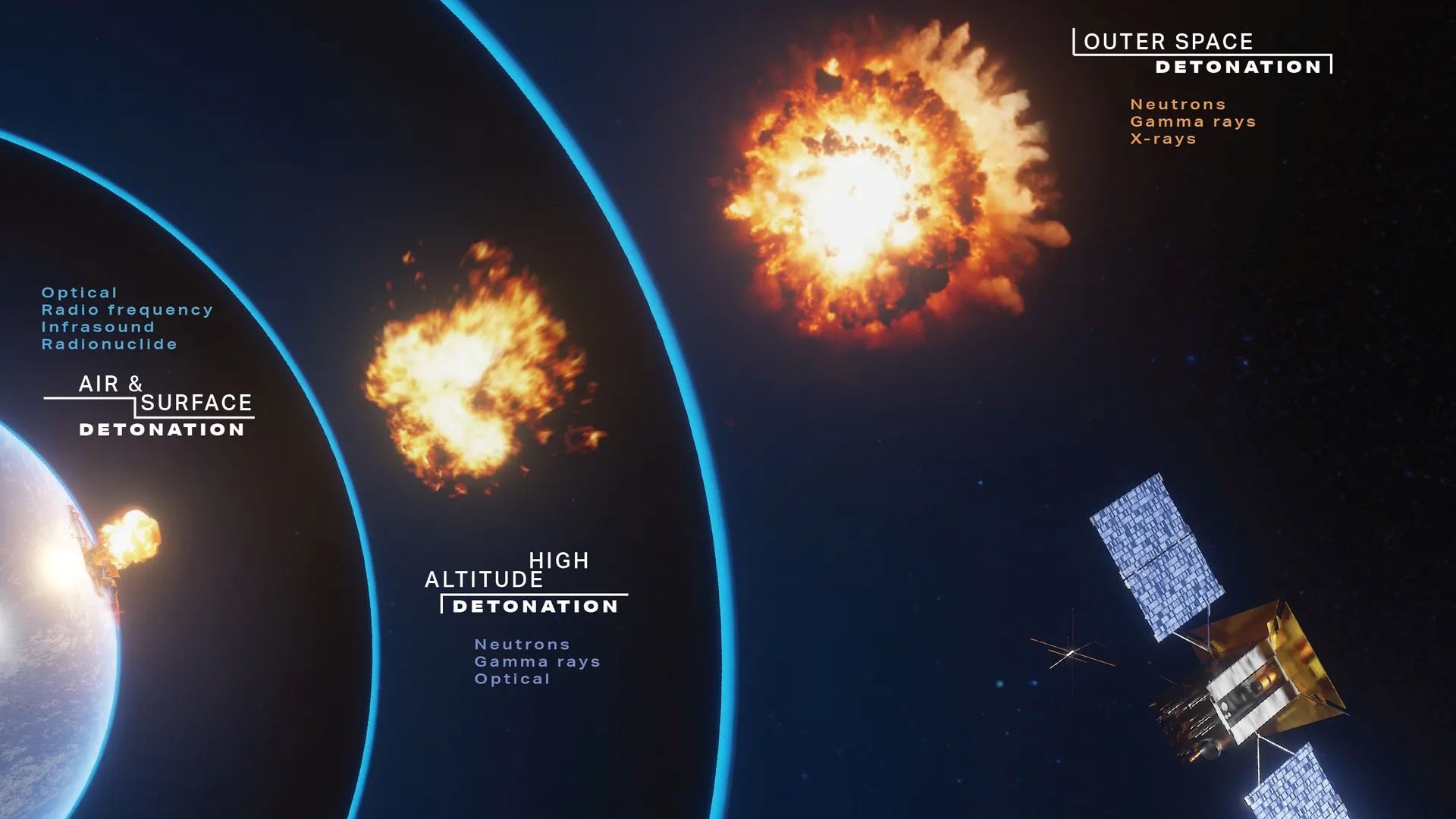
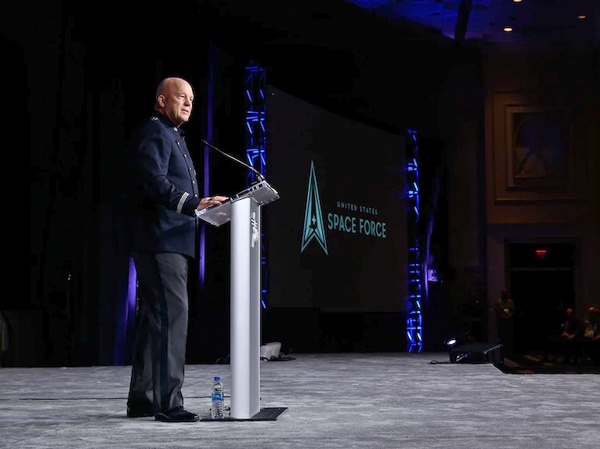
    Russia is developing a nuclear space weapon, US intelligence report finds

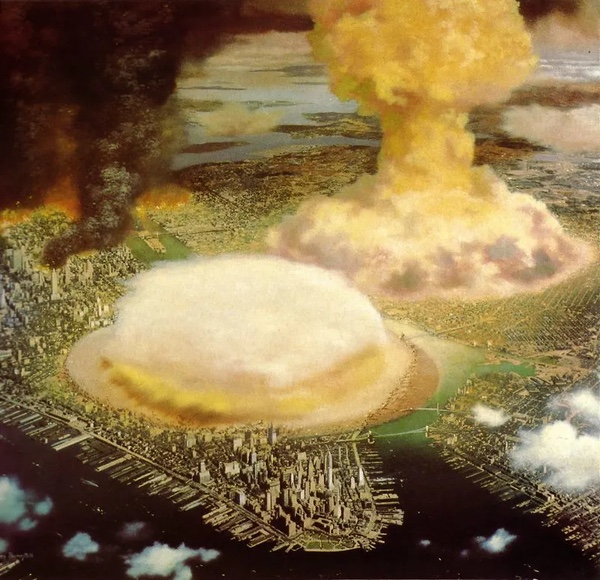
    A new report by the the U.S. Defense Intelligence Agency discusses the threats posed by the nation's adversaries in space — including Russia, which is developing a nuke-carrying satellite.

    · 13 min read

  • Phys.org - News and Articles on Science and Technology

    Article

    Organizational science offers new lens for studying extremism

    Accepting the Republican nomination for president in 1964, Barry Goldwater declared, "I would remind you that extremism in the defense of liberty is no vice!" His statement illustrates how the cause being ...

    · 4 min read

  • The Space Review: essays and commentary about the final frontier

    Article

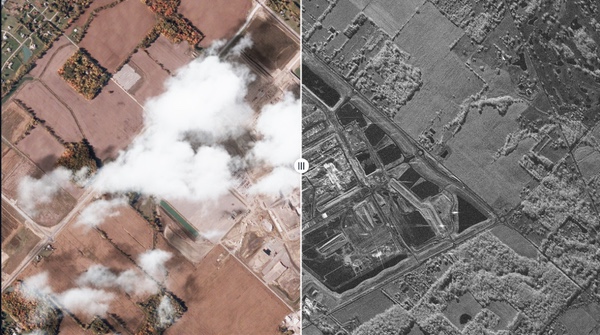
    Seeing through the storm: SAR imagery's evolution beyond defense applications

    Synthetic aperture radar imagery had long been considered primarily a tool for defense applications. Kateryna Sergieieva discusses how commercial SAR systems have made such imagery available for many civil uses as well.

    · 1 min read

  • The Space Review: essays and commentary about the final frontier

    Article

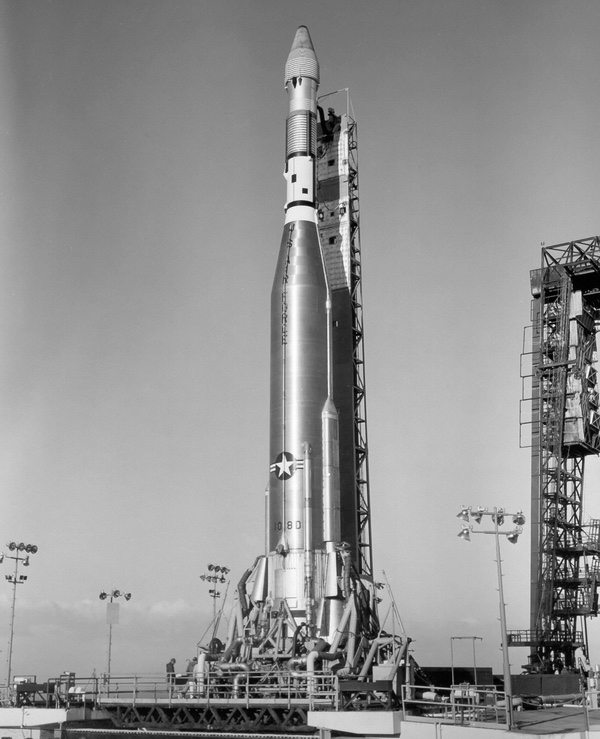
    Superstar in the Smithsonian: the FARRAH satellite

    Among the new exhibits in the National Air and Space Museum is a half-scale model of a formerly top-secret signals intelligence satellite from the Cold War known as FARRAH. Dwayne Day discusses the history of that program.

    · 1 min read

  • The Space Review: essays and commentary about the final frontier

    Article

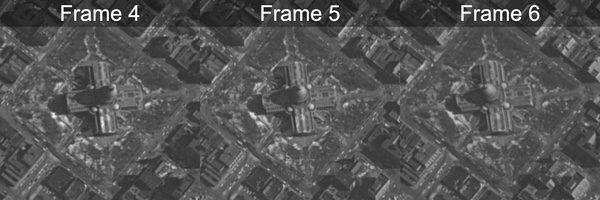
    Hello, Madison! A top-secret Cold War mission over Wisconsin's capital

    During the Cold War, the NRO tested new imaging capabilities for its spy satellites in novel ways. Dwayne Day and Harry Stranger describe how that included stereo imaging of locations in the United States.

    · 1 min read

  • The Space Review: essays and commentary about the final frontier

    Article

    The first alien intelligence may not be alive

    Astrobiology and the search for extraterrestrial intelligence has largely focused on biological life. David Falls explains why the first evidence of intelligence we might detect beyond Earth may not be biological in nature.

    · 1 min read

  • The Space Review: essays and commentary about the final frontier

    Article

    Reassessing NASA procurement strategy: A hybrid approach

    NASA is using a mix of cost-plus and fixed-price contracts for its missions, but each approach as advantages and disadvantages. Eli Lichtenstein offers an alternative that attempts to combine the best of both.

    · 1 min read

  • The Space Review: essays and commentary about the final frontier

    Article

    Battle for the heavens: intelligence satellite vulnerability in the 1970s

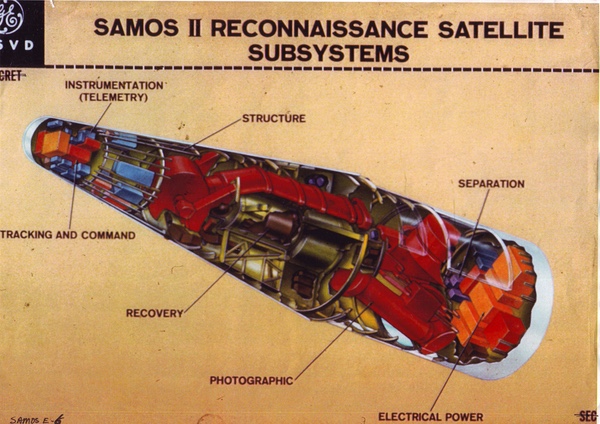
    Officials today frequently discuss how intelligence satellites are vulnerable to attack. Dwayne Day discusses how a report in the 1970s examined threats to reconnaissance satellites and ways to address those threats.

    · 1 min read

  • The Space Review: essays and commentary about the final frontier

    Article

    A Fortress Moon for cislunar security

    Cislunar space is evolving from one of primarily scientific interest to one with more strategic importance. Alan Dugger examines one approach to better monitor the activities taking place in this region.

    · 1 min read

  • The Space Review: essays and commentary about the final frontier

    Article

    When the orbital layer is the kill chain

    Experts have debated the role that artificial intelligence has played in the ongoing conflict with Iran. Bharath Gopalaswamy argues that the debate ignores the enabling role of space capabilities, which bring with them new challenges and

    · 1 min read

  • The Space Review: essays and commentary about the final frontier

    Article

    Pinning the tail on the Moskva: POPPY and the dawn of satellite ocean surveillance

    The NRO launched signals intelligence satellites in the 1960s initially to track radars fixed on the ground. Dwayne Day describes insights from a recently declassified interview on how those satellites were then applied to tracking ships.

    · 1 min read